We proudly support USARK because ethical husbandry and keeper advocacy go hand in hand. USARK protects the herpetoculture community and our cold-blooded family members through science-based legislation, education, and proactive defense of responsible animal care.
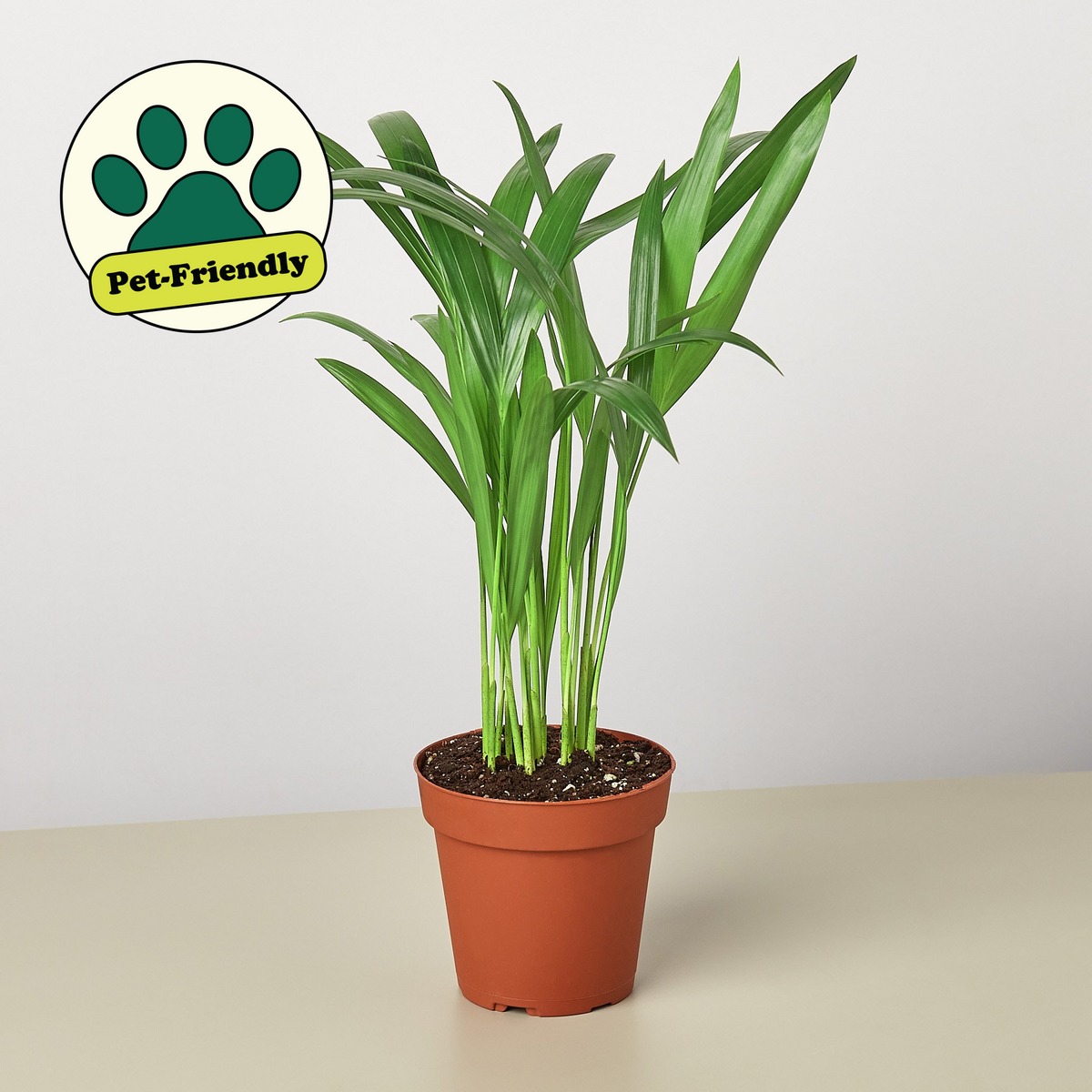
Areca Palm (Dypsis lutescens)
Areca Palm (Dypsis lutescens)
Regular price
$21.99 USD
Regular price
Sale price
$21.99 USD
Shipping calculated at checkout.
Quantity
Couldn't load pickup availability
Bioactive-Safe | Spineless Multi-Stem Canopy & Non-Toxic Arboreal Climbing Haven
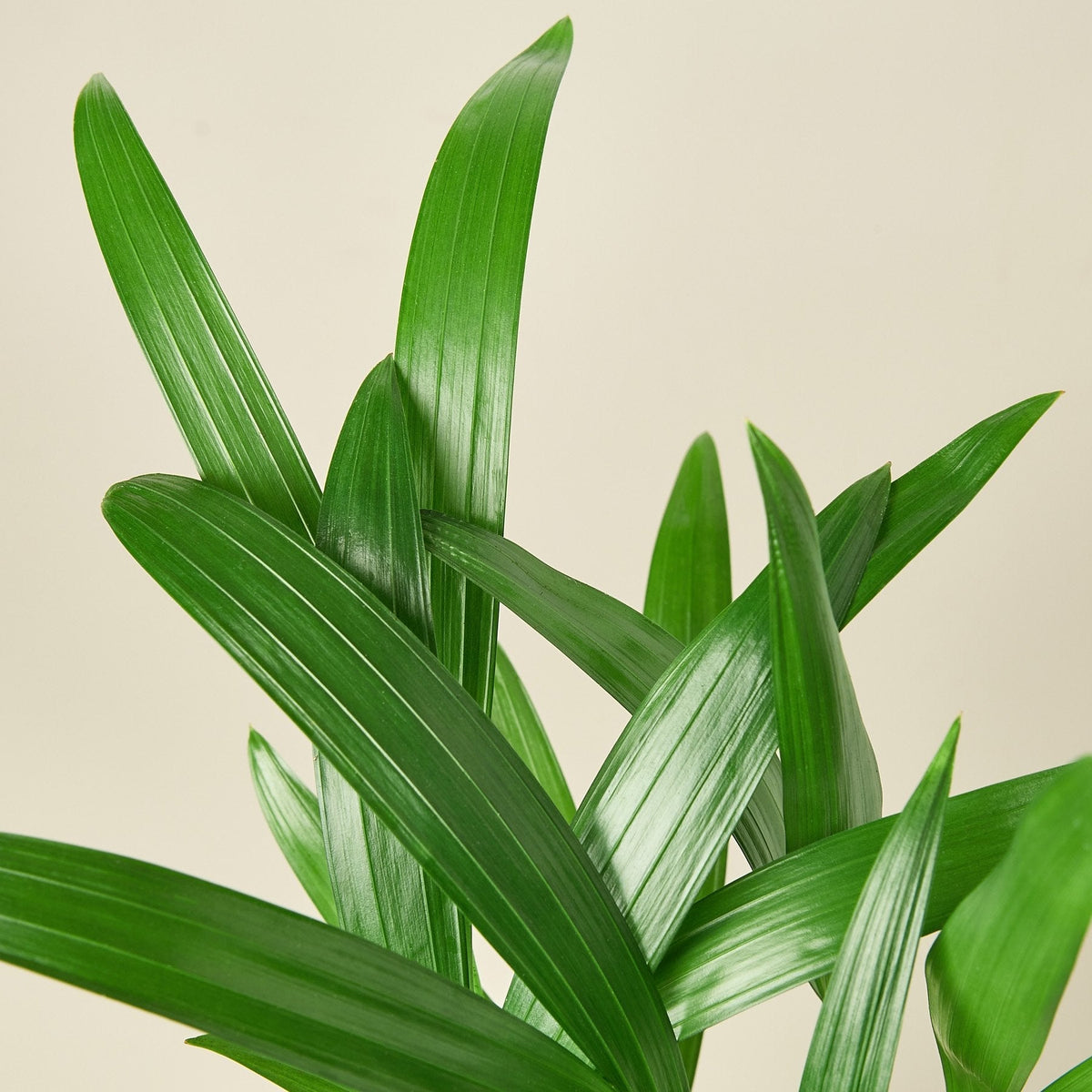
Scale up your bioactive environment with the lush, tropical architecture of the Areca Palm (Dypsis lutescens). Featuring clustered, bamboo-like canes and arching feather-light fronds, this Madagascar native brings multi-tiered forest canopy depth directly into tall vivariums, converted cabinets, and large arboreal enclosures.
Its upright, clumping habit makes it especially valuable for climbing species: the smooth, sturdy stems provide natural vertical highways, while the dense upper crown creates sheltered visual barriers and elevated resting perches.
Why It Belongs in Your Habitat:
- 100% Spineless & Pet-Safe Foliage: Completely free of insoluble calcium oxalates, chemical toxins, and caustic latex. The leaflets are soft and flexible, containing zero thorns or sharp tips that could scratch scales or sensitive amphibian skin.
- Vertical Canopy & Arboreal Roosts: Multiple clustered canes offer sturdy, weight-bearing climbing tracks, resting perches, and natural runways for arboreal geckos, chameleons, and tree skinks.
- Foliar Mist Hydration Stations: Graceful, arching fronds catch and pool fine mist droplets during scheduled spray cycles, providing accessible elevated drinking stations for species that avoid standing water bowls.
- Living Sightline Breaks: Dense frond clusters diffuse direct overhead lighting, creating cool, sheltered microclimates that reduce stress and encourage natural basking behaviors.
- Bioactive Nutrient Cycling: Establishes a dense fibrous root system that takes up dissolved nitrates and excess water from deep substrate beds, supporting living vivarium hygiene.
- Husbandry-First Assurance: Vetted in alignment with Rachel's Reptile Resource's standards for animal welfare, husbandry excellence, and science-backed guidance.
Habitat & Care Specifications:
- Light Requirements: Moderate to bright indirect vivarium LED lighting. Prefers full-spectrum illumination to maintain compact leaflet density and rich coloration; keep frond tips safely distanced from concentrated basking spotlights and ceramic heat emitters to prevent foliar scorching.
- Humidity & Moisture Dynamics: 60% – 85%+; thrives in moderate to high vivarium humidity. Mist regularly with distilled, reverse osmosis (RO), or clean dechlorinated water; ensure good ambient enclosure air circulation.
- Substrate & Rooting Medium: Requires an airy, well-draining tropical bioactive blend (such as an ABG mix containing coconut coir, sphagnum moss, orchid bark, and horticultural charcoal) over a functional false bottom drainage layer. Maintain evenly moist substrate; avoid stagnant, waterlogged conditions.
- Enclosure Placement: Background focal point, corner planting in tall enclosures, or anchored as a central climbing feature in large naturalistic habitats (e.g., 36"+ height vivariums or Zen Habitats).
- Growth Rate & Maintenance: Moderate grower indoors. Prune away aging outer fronds at the base of the cane using sterilized shears to keep the cluster tidy and allow light into the lower canopy.
- Ideal Inhabitants: Crested geckos (Correlophus ciliatus), gargoyle geckos, day geckos (Phelsuma grandis), veiled and panther chameleons, emerald tree skinks (Lamprolepis smaragdina), White’s tree frogs, red-eyed tree frogs, and bioactive cleanup crews.
Bioactive Prep & Safety Tip: Before introducing any live plant into an active bioactive habitat, carefully wash commercial greenhouse potting soil down to bare roots using clean, dechlorinated water to remove potential synthetic fertilizers or pest residues. (Note: If sourcing the "Kokedama" moss-ball variant seen in supplier listings, always unwrap and remove the decorative netting and twine, bare-root the palm, and plant it into a certified bioactive substrate mix.) Because Dypsis lutescens is completely non-toxic and lacks hazardous spines or calcium oxalate crystals, this plant provides safe, structurally resilient living cover across both amphibian and reptile vivariums, upholding Rachel's Reptile Resource's foundational commitment to animal welfare, husbandry excellence, and science-backed guidance.