We proudly support USARK because ethical husbandry and keeper advocacy go hand in hand. USARK protects the herpetoculture community and our cold-blooded family members through science-based legislation, education, and proactive defense of responsible animal care.
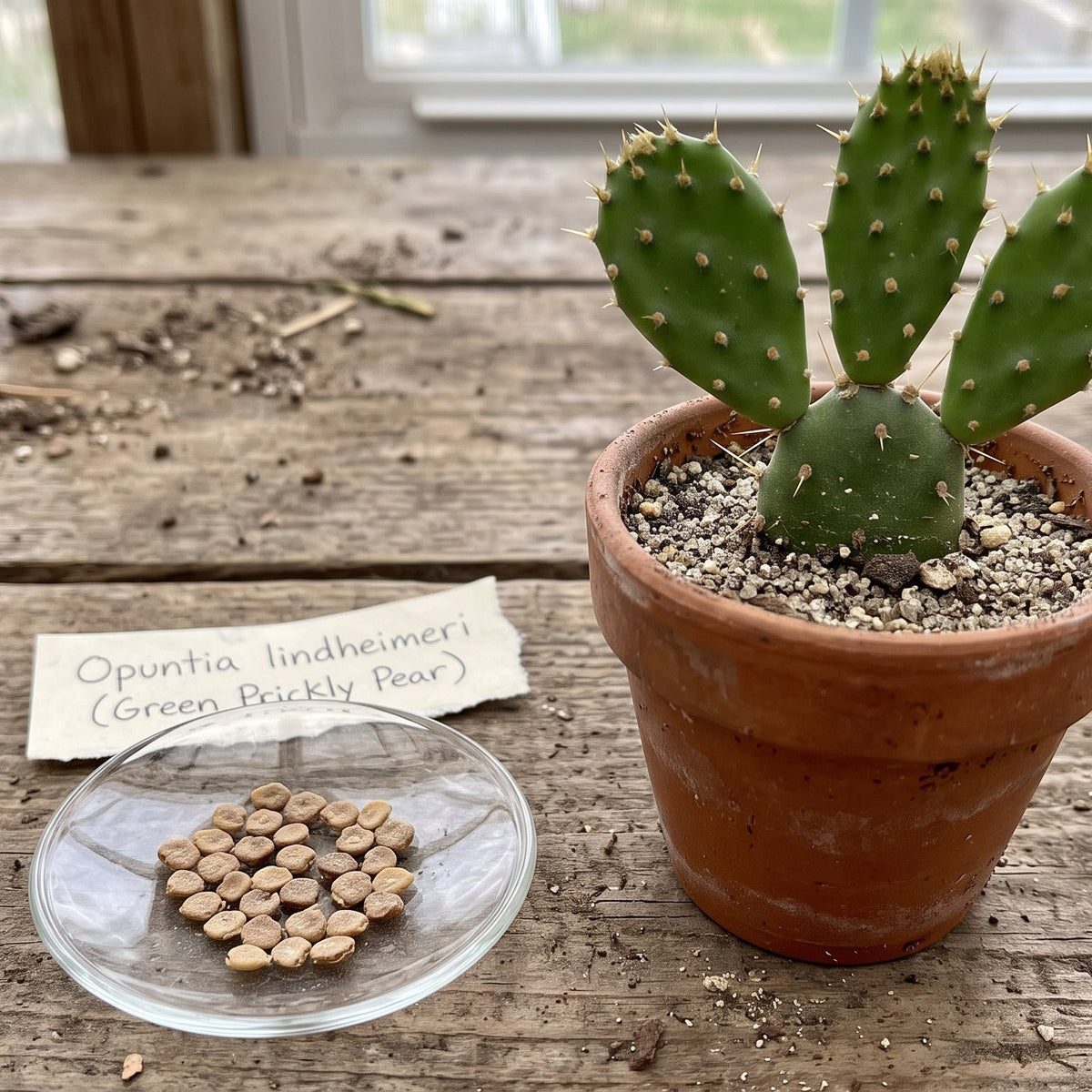
Green Prickly Pear (Opuntia lindheimeri) seeds (20 pack)
Green Prickly Pear (Opuntia lindheimeri) seeds (20 pack)
Regular price
$16.00 USD
Regular price
Sale price
$16.00 USD
Shipping calculated at checkout.
Quantity
Couldn't load pickup availability
Arid Botanical Cultivation | Hardy Texas Prickly Pear & Calcium-Rich Botanical Forage
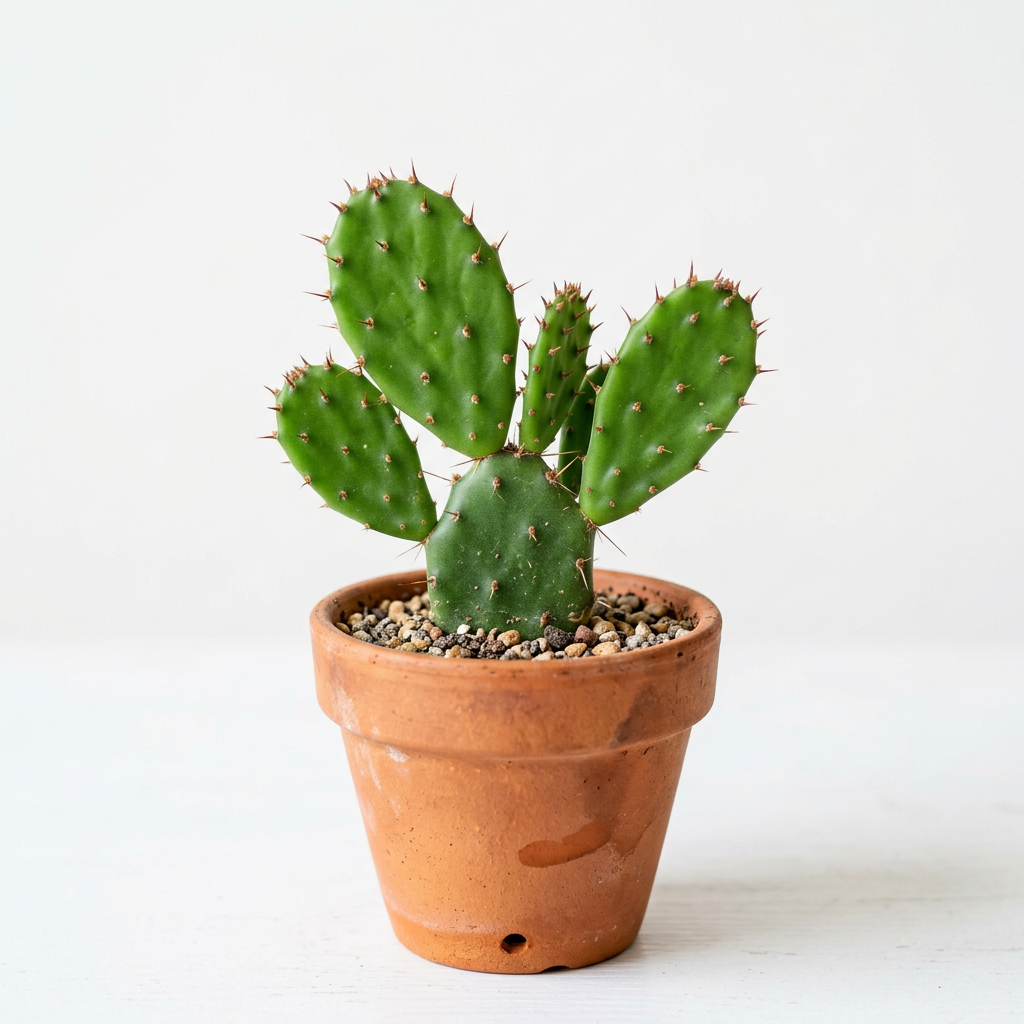
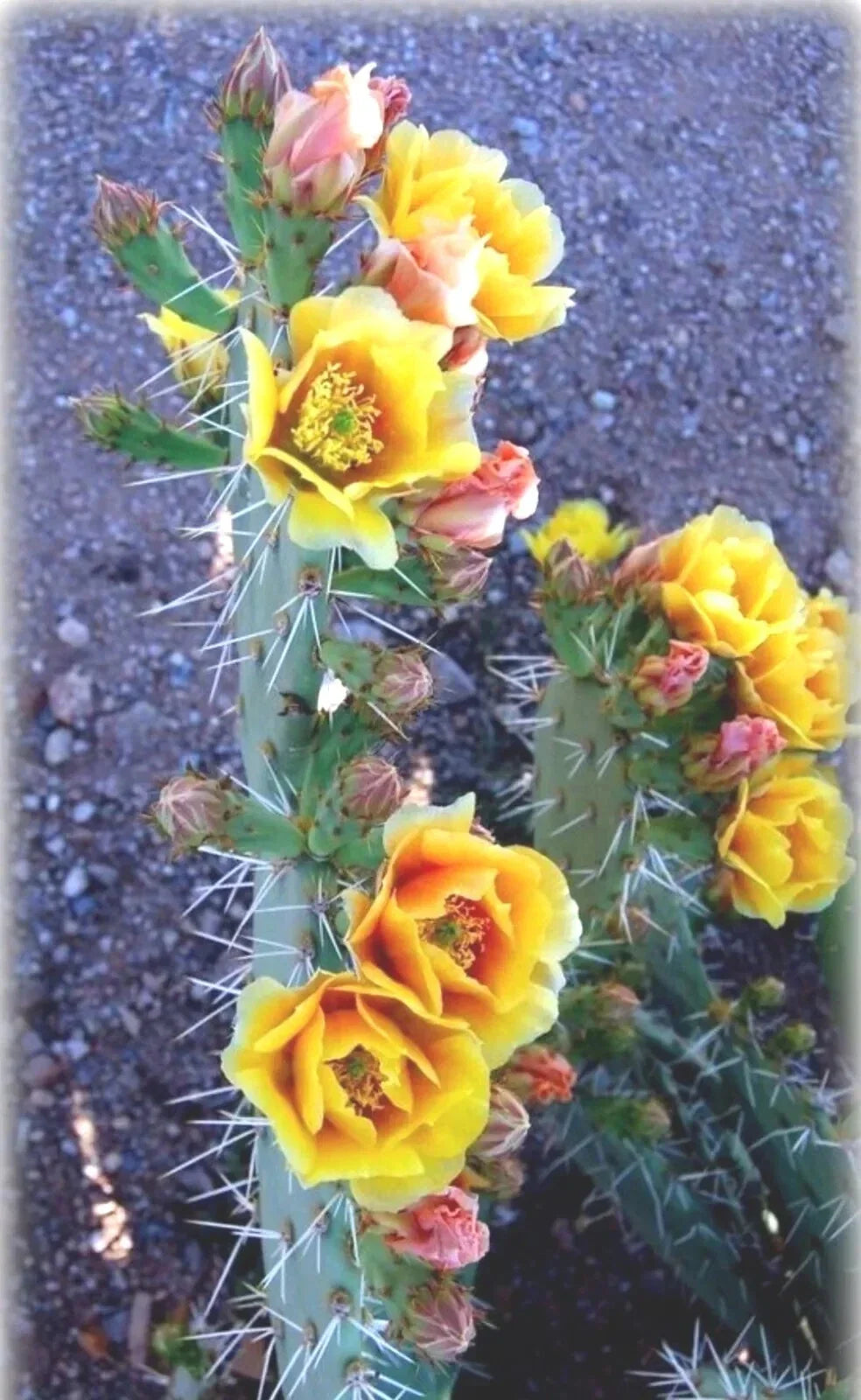
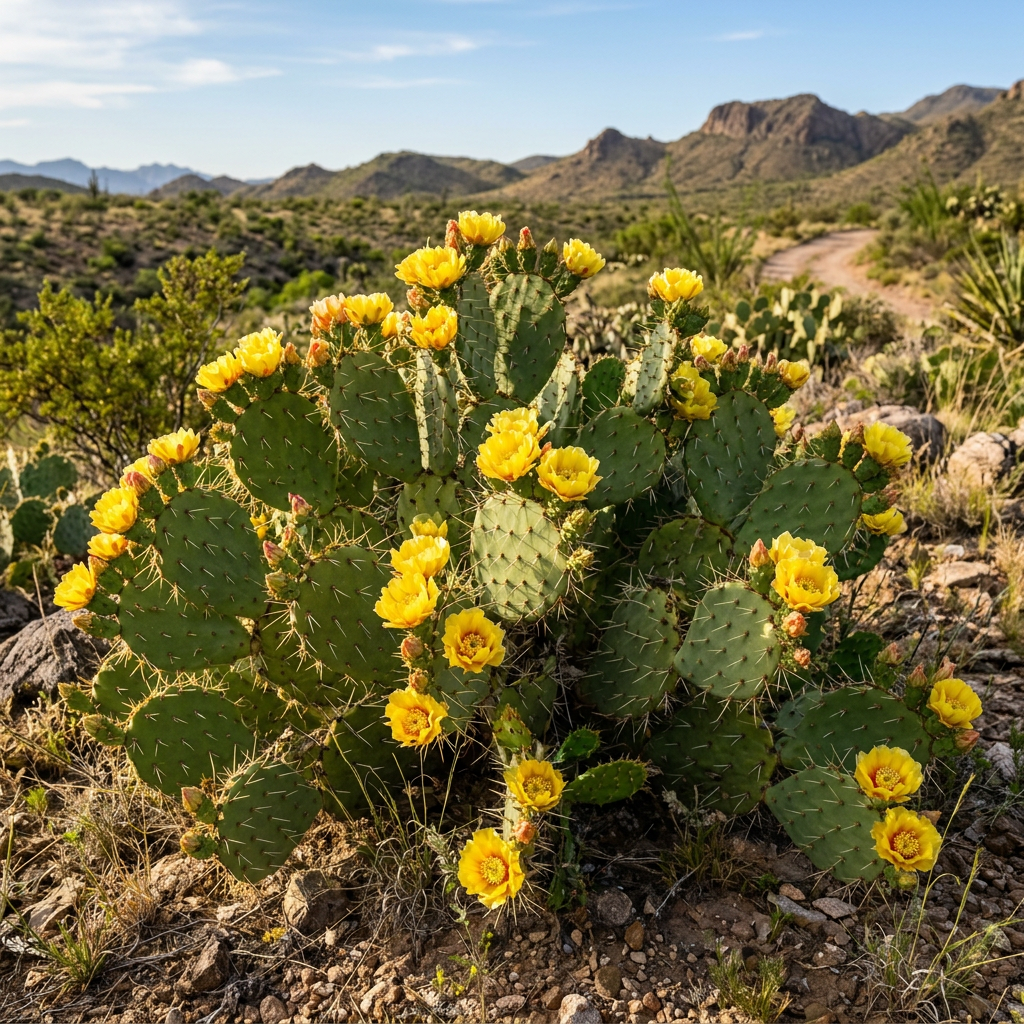
Cultivate authentic Southwestern desert realism from the ground up with premium Green Prickly Pear (Opuntia lindheimeri) seeds. Celebrated for its broad, emerald-green pads, brilliant yellow-orange blossoms, and vibrant purple-red fruit (tunas), this classic North American native introduces timeless desert geometry, architectural verticality, and organic naturalism to sunny reptile rooms, arid bioactive terrariums, and xeriscape planter displays.
Growing Opuntia lindheimeri from seed gives keepers complete control over the plant’s environment from day one, guaranteeing that mature pads and fruit are cultivated entirely free of commercial pesticides, chemical leaf-shines, and synthetic fertilizers. Whether established in high-PAR arid vivariums alongside desert microfauna, cultivated in outdoor summer tortoise enclosures, or grown as living botanical decor on canopy shelves alongside bearded dragon and uromastyx enclosures, this resilient succulent pairs rugged beauty with practical arid utility.
Why It Belongs in Your Habitat:
- Authentic Southwestern Landscape Architecture: Wide, paddle-shaped cladodes introduce authentic desert realism, rugged vertical contrast, and natural tactile depth to dry-biome habitats.
- Exceptional Drought & Climate Resilience: Naturally evolved to thrive in hot, hyper-arid regions, storing vital moisture in thick, succulent pads that require minimal watering once rooted.
- Pure, Pesticide-Free Dietary Forage: Growing from seed ensures a 100% clean, organic supply of tender young pads (nopales) and ripe fruit—both renowned as calcium-rich, fiber-dense, and hydrating supplementary forage for herbivorous and omnivorous reptiles.
- Functional Microclimates & Sightline Breaks: Broad, upright pads diffuse intense basking illumination, casting targeted pockets of shade that assist reptiles in self-regulating their thermal and light exposure.
- USA-Sourced Fresh Seed Viability: Pack of 20+ non-GMO, sustainably harvested seeds sourced in the USA for reliable germination rates and vigorous seedling growth.
- Husbandry-First Assurance: Vetted in alignment with Rachel's Reptile Resource's standards for animal welfare, husbandry excellence, and science-backed guidance.
Habitat & Care Specifications:
- Botanical Name: Opuntia lindheimeri (Green Prickly Pear / Texas Prickly Pear / Nopal)
- Format & Quantity: 20+ fresh, sustainably harvested non-GMO seeds (USA sourced)
- Light Requirements: Full sun to high-intensity vivarium LED lighting. Strong full-spectrum illumination or high-PAR desert plant fixtures are essential to encourage thick, sturdy pad development and prevent stretched, weak growth (etiolation).
- Humidity & Moisture Dynamics: 10% – 40%; thrives in dry ambient conditions. Maintain light soil moisture beneath a transparent propagation dome during germination, then transition to arid cycles with complete substrate dry-outs between deep waterings once seedlings establish.
- Substrate & Rooting Medium: Requires an airy, fast-draining cactus and succulent mix or gritty arid bioactive substrate (coarse sand, decomposed granite, volcanic pumice, and low-organic loam) over adequate drainage. Stagnant moisture must be avoided to protect root health.
- Enclosure Placement: Background focal point in spacious arid habitats (such as 4x2x2' terrariums or Zen Habitats), dedicated desert invertebrate vivariums, or container-grown outdoors and on reptile room plant stands.
- Growth Rate & Maintenance: Moderate to vigorous once established. Easily maintained by pruning mature pads with tongs and sterilized shears to shape or propagate new plants.
- Ideal Inhabitants: Arid invertebrate setups (including blue death-feigning beetles, desert darkling beetles, and desert hairy scorpions), arid bioactive cleanup crews, or staged externally alongside bearded dragons, uromastyx, and desert tortoises.
Bioactive Prep & Safety Tip: To maximize germination, lightly scarify the outer seed coat or soak seeds in warm dechlorinated water for 24 to 48 hours before sowing onto a gritty, pre-moistened cactus seed mix. Barely cover the seeds with a light dusting of fine gravel and maintain warm bottom heat (75°F–85°F) under bright light until sprouts emerge.
Keeper Safety Notice: Like all prickly pears, Opuntia lindheimeri naturally produces both prominent central spines and clusters of fine, barbed micro-bristles (glochids). While wild desert reptiles navigate these plants naturally, confined enclosure settings carry the risk of eye or skin irritation if active pets brush against mature spines. When adding live specimens to habitats with curious or soft-skinned lizards, position the cactus behind protective rockwork, in background niches away from main basking routes, or display it externally on enclosure canopy shelves. If harvesting nopales or fruit for reptile consumption, thoroughly singe, peel, and wash away all glochids and spines prior to feeding. This species-safe approach allows you to cultivate resilient desert flora and nutritious organic forage while upholding Rachel's Reptile Resource's foundational commitment to animal welfare, husbandry excellence, and science-backed guidance.