We proudly support USARK because ethical husbandry and keeper advocacy go hand in hand. USARK protects the herpetoculture community and our cold-blooded family members through science-based legislation, education, and proactive defense of responsible animal care.
Miniature Prickly Pear Cactus (Opuntia)
Miniature Prickly Pear Cactus (Opuntia)
Regular price
$26.50 USD
Regular price
Sale price
$26.50 USD
Shipping calculated at checkout.
Quantity
Couldn't load pickup availability
Arid Bioactive Accent | Sculptural Desert Architecture & Drought-Hardy Basking Cover
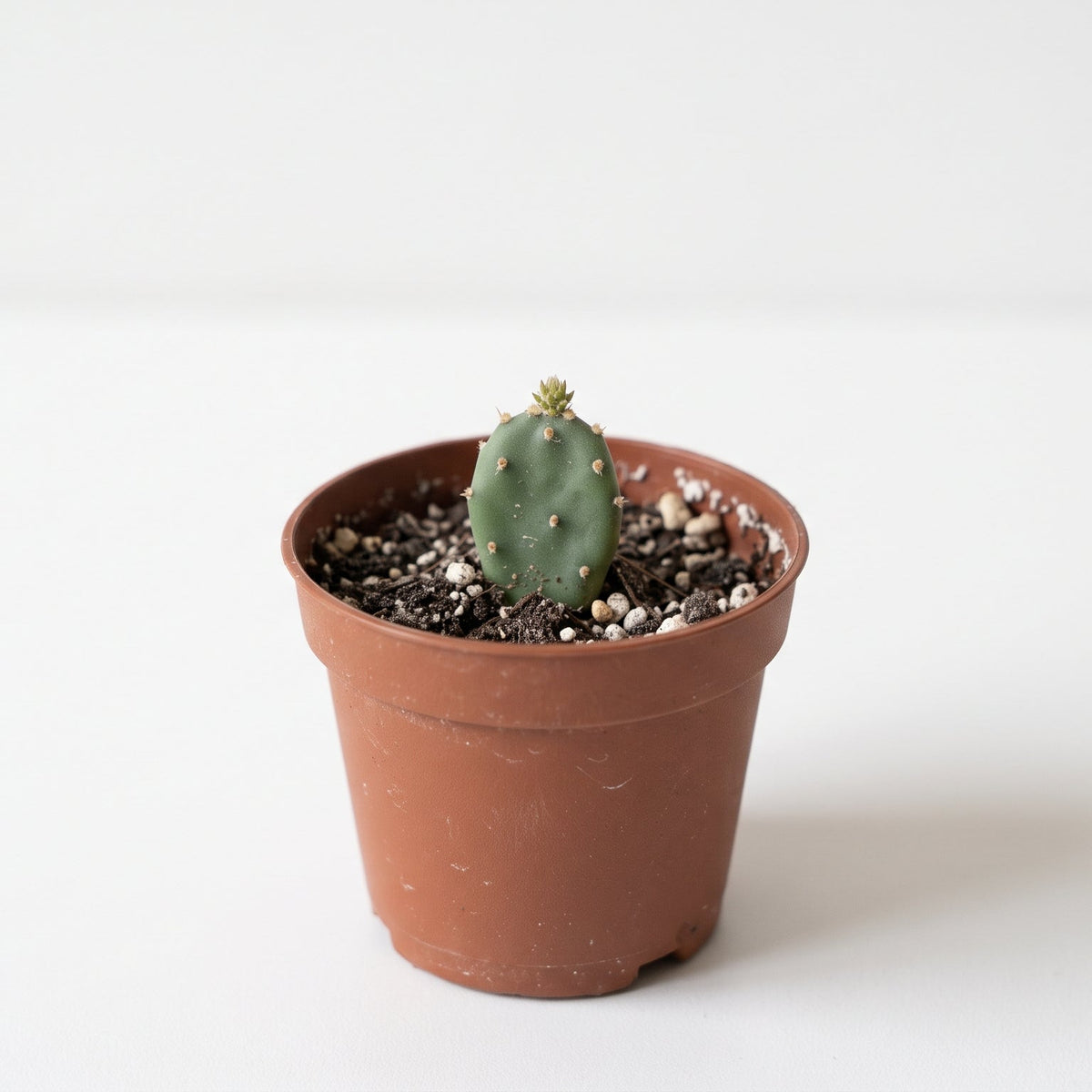
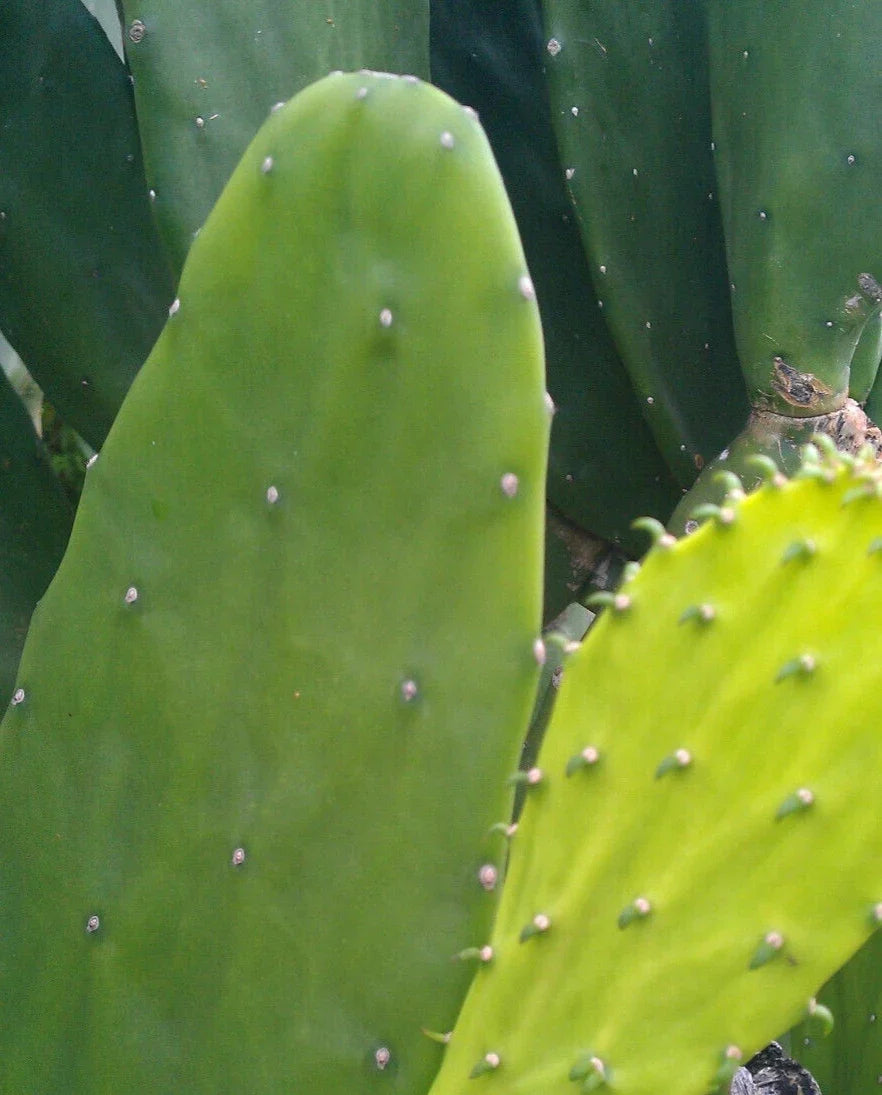
Bring the authentic character of arid Southwestern biomes into your home and terrarium spaces with the Miniature Prickly Pear Cactus (Opuntia). Featuring clumping, vibrant green paddle-shaped pads and an architectural growth habit, this resilient succulent delivers authentic desert depth to dry vivarium scenes, desert displays, and plant-stand collections.
Its upright, clumping structure provides bold visual geometry against rockwork and sand, making it a natural focal point in sunny desert-themed setups. Shipped as a fully established, rooted specimen in a 4-inch pot, it establishes quickly under full-spectrum light, offering long-term structure with minimal maintenance.
Why It Belongs in Your Habitat:
- Authentic Desert Architecture: Sculptural, clumping green pads add genuine arid biome realism, vertical contrast, and tactile depth to desert landscapes.
- Extreme Drought Resilience: Naturally adapted to store water in thick, fleshy pads, thriving effortlessly in dry, warm environments with minimal watering demands.
- Living Arid Microclimates: Clumping pads diffuse high-intensity basking illumination, casting targeted shade pockets that help desert inhabitants thermoregulate and escape bright light.
- Substrate Stabilization & Cycling: Establishes a hardy root network that binds sandy, gritty soils and absorbs organic waste to support clean, long-term habitat substrate balance.
- Compact Footprint & Propagation Ease: Reaches a manageable clumping height of up to 12 inches tall, fitting easily into desktop planters or terrarium corners while offering easy propagation from mature pads.
- Husbandry-First Assurance: Vetted in alignment with Rachel's Reptile Resource's standards for animal welfare, husbandry excellence, and science-backed guidance.
Habitat & Care Specifications:
- Light Requirements: Full sun to high-intensity vivarium LED lighting. Requires strong, full-spectrum illumination or high PAR desert plant lighting to maintain tight pad growth; can be placed near warm basking gradients.
- Humidity & Moisture Dynamics: 10% – 40%; prefers dry, low-humidity environments. Allow substrate to dry out completely between deep, thorough soakings; withhold water significantly during winter rest periods.
- Substrate & Rooting Medium: Requires an airy, well-draining cactus and succulent mix or sandy loam (such as an arid bioactive blend with coarse sand, decomposed granite, and pumice) over proper drainage. Never allow roots to sit in stagnant water.
- Enclosure Placement: Background focal point, elevated rock ledge accent, or partitioned arid corner in spacious enclosures (such as 4x2x2' terrariums or Zen Habitats).
- Growth Rate & Maintenance: Moderate grower with a clumping habit topping out around 12 inches tall. Requires virtually zero trimming; simply remove dried lower growth or separate pads to root new specimens.
- Ideal Inhabitants: Arid invertebrate setups (including blue death-feigning beetles and desert scorpions), arid bioactive cleanup crews, or staged on external reptile room shelves alongside bearded dragon, uromastyx, and desert tortoise enclosures.
Bioactive Prep & Safety Tip: Before introducing any live plant into an active bioactive habitat, carefully wash commercial greenhouse potting soil down to bare roots using clean, dechlorinated water to remove potential synthetic fertilizers or pest residues. Because Opuntia pads naturally feature fine glochids (miniature barbed bristles), always handle the plant using tongs, heavy gardening gloves, or folded cardboard during potting. In enclosures with curious, soft-scaled, or herbivorous reptiles (such as bearded dragons or uromastyx), stage the cactus in background niches behind protective rockwork or display it externally on habitat canopy shelves to avoid mouth or eye irritation. This species-safe approach allows you to enjoy genuine desert flora while upholding Rachel's Reptile Resource's foundational commitment to animal welfare, husbandry excellence, and science-backed guidance.