We proudly support USARK because ethical husbandry and keeper advocacy go hand in hand. USARK protects the herpetoculture community and our cold-blooded family members through science-based legislation, education, and proactive defense of responsible animal care.
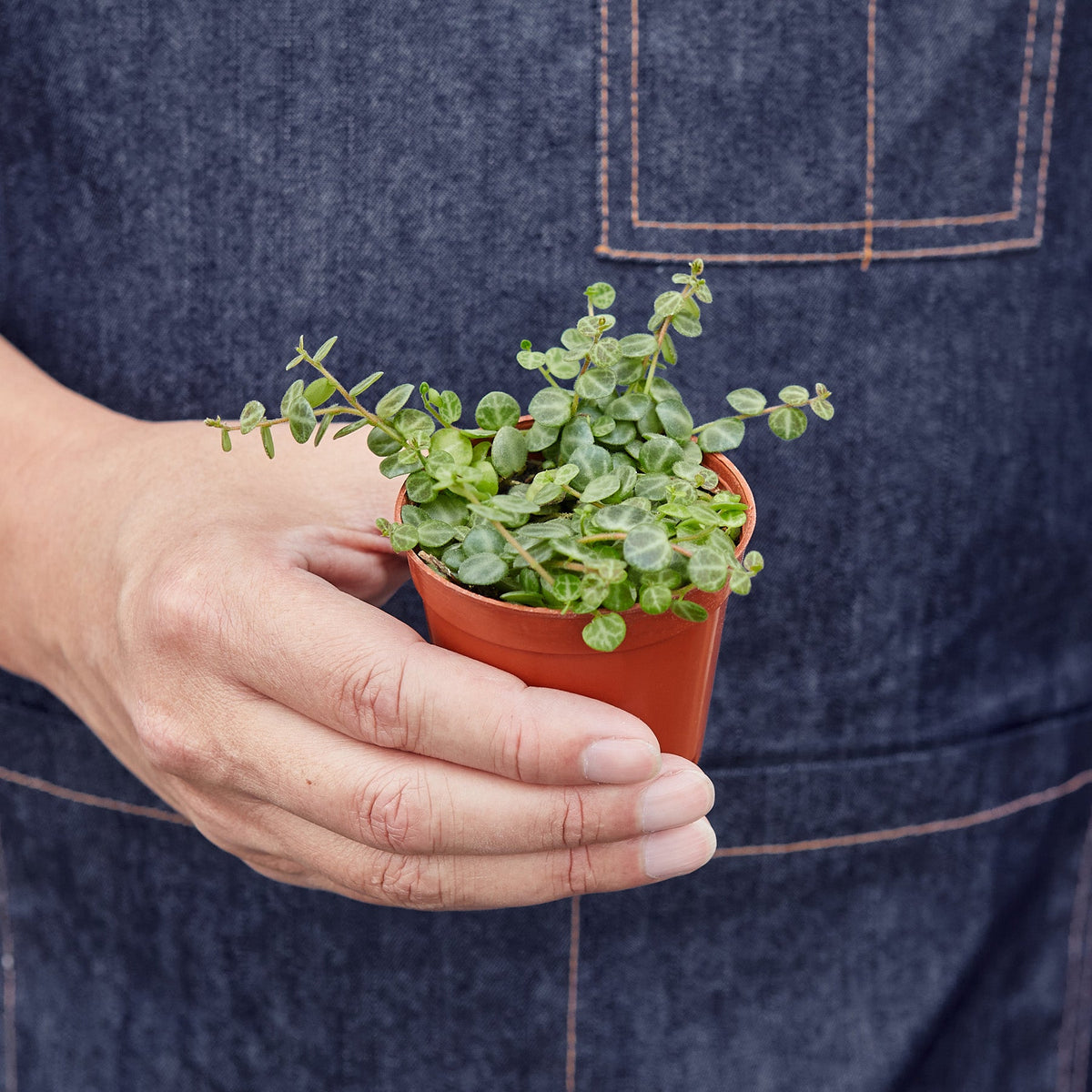
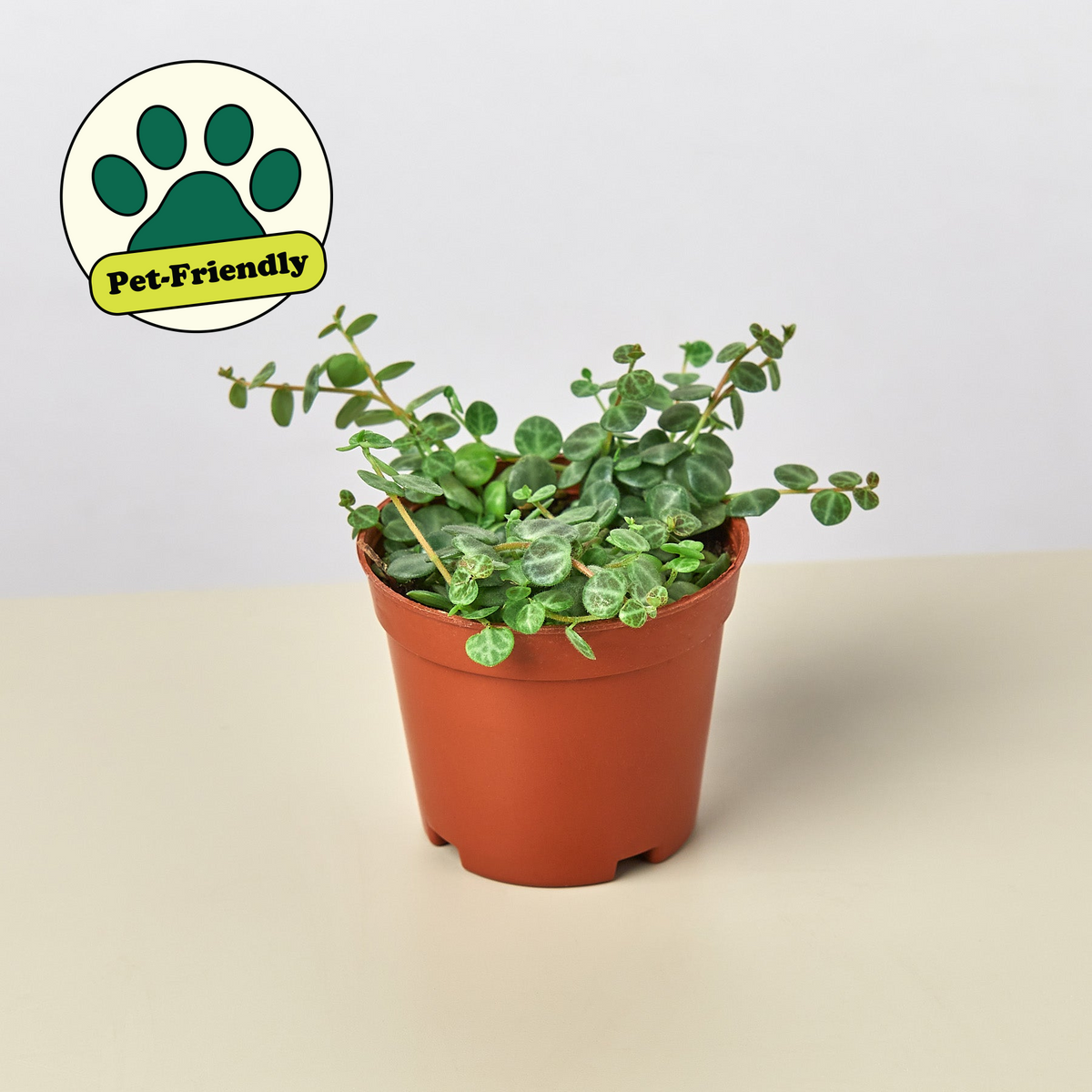
String of Turtles (Peperomia prostrata)
String of Turtles (Peperomia prostrata)
Regular price
$21.99 USD
Regular price
Sale price
$21.99 USD
Shipping calculated at checkout.
Quantity
Couldn't load pickup availability
Bioactive-Safe | Trailing Succulent Tapestry & Non-Toxic Micro-Habitat Shelter
Scale up the intricate detail of your bioactive environment with the delicate, trailing beauty of String of Turtles (Peperomia prostrata). Native to the warm, humid forest understories of Brazil, this miniature creeping succulent features slender, cascading vines strung with tiny, button-shaped leaves patterned like miniature turtle shells. As the plant slowly develops over three to five years to full maturity, its intricate marbling softens into a clean, bicolored contrast of deep green and light sage, introducing organic texture and rich visual depth to naturalistic vivariums, terrarium ledges, and converted display cabinets.
Its creeping, epiphytic nature makes it an exceptional structural asset for smaller-scale zones: the trailing stems root readily into damp moss, cork bark crevices, and background panels, while the compact canopy forms delicate horizontal runways, moisture-retentive ground cover, and shaded micro-refuges tailored for micro-fauna and small herptiles.
Why It Belongs in Your Habitat:
- 100% Spineless & Pet-Safe Foliage: Completely non-toxic and free of caustic sap, chemical toxins, and abrasive prickles. Its soft, semi-succulent leaves pose zero hazard to delicate amphibian skin, soft-scaled geckos, or micro-invertebrates.
- Trailing Epiphytic Runways: Creeping vines establish natural vertical-to-horizontal tracks across background walls, hardscape branches, and rock ledges, providing exploratory pathways for dart frogs and micro-geckos.
- Foliar Mist Hydration Stations: The tiny, rounded leaves catch and hold fine water droplets during scheduled misting sessions, serving as natural elevated drinking reservoirs for species that avoid open water dishes.
- Living Sightline Breaks & Micro-Shades: Forms a dappled, trailing curtain that gently diffuses intense overhead vivarium LED lighting, establishing cooler, shaded microclimates that encourage natural exploratory behavior.
- Bioactive Nutrient Cycling: Establishes a fine root network that draws up surplus moisture and dissolved organic waste across substrate tops and moist hardscape surfaces, supporting terrarium bio-cleanliness.
- Husbandry-First Assurance: Vetted in alignment with Rachel's Reptile Resource's standards for animal welfare, husbandry excellence, and science-backed guidance.
Habitat & Care Specifications:
- Light Requirements: Moderate to bright indirect vivarium LED lighting. Thrives under full-spectrum illumination to retain distinct turtle-shell marbling and prevent leggy growth; keep trailing vines distanced from concentrated basking lamps and ceramic heat emitters to prevent scorching succulent foliage.
- Humidity & Moisture Dynamics: 60% – 85%+; prefers consistent vivarium humidity. Mist with clean reverse osmosis (RO), distilled, or dechlorinated water; allow ambient airflow to prevent chronic stagnation on leaf surfaces.
- Substrate & Rooting Medium: Requires an airy, well-draining tropical bioactive mix (such as an ABG blend of coco coir, sphagnum moss, orchid bark, and horticultural charcoal) or mounted directly into damp sphagnum on background cork bark; avoid waterlogged, heavy soils.
- Enclosure Placement: Midground to foreground ground cover, mounted in background pockets, draped over driftwood, or trailing along elevated ledges in tropical vivariums and converted Zen Habitats.
- Growth Rate & Maintenance: Slow growth rate indoors, taking 3–5 years to mature. Gently pinch back rambling vines and press cuttings into damp substrate or moss to propagate; remove dead foliage with sterilized vivarium shears.
- Ideal Inhabitants: Poison dart frogs (Dendrobates, Ranitomeya), mourning geckos (Lepidodactylus lugubris), yellow-headed day geckos (Phelsuma klemmeri), micro-geckos (Sphaerodactylus), reed frogs, jumping spiders, and bioactive cleanup crews (springtails and dwarf isopods).
Bioactive Prep & Safety Tip:
Before introducing Peperomia prostrata into an established vivarium, gently bare-root the plant by washing away nursery soil and synthetic fertilizer residues using clean, dechlorinated water. Handle its fine root system and tender vines gently during rinsing before anchoring the plant directly into moist ABG substrate or live sphagnum moss crevices. Because Peperomia prostrata is completely non-toxic and lacks spines or irritating oxalates, it provides safe, intricate living shelter across delicate amphibian and miniature reptile habitats, upholding Rachel's Reptile Resource's foundational commitment to animal welfare, husbandry excellence, and science-backed guidance.