We proudly support USARK because ethical husbandry and keeper advocacy go hand in hand. USARK protects the herpetoculture community and our cold-blooded family members through science-based legislation, education, and proactive defense of responsible animal care.
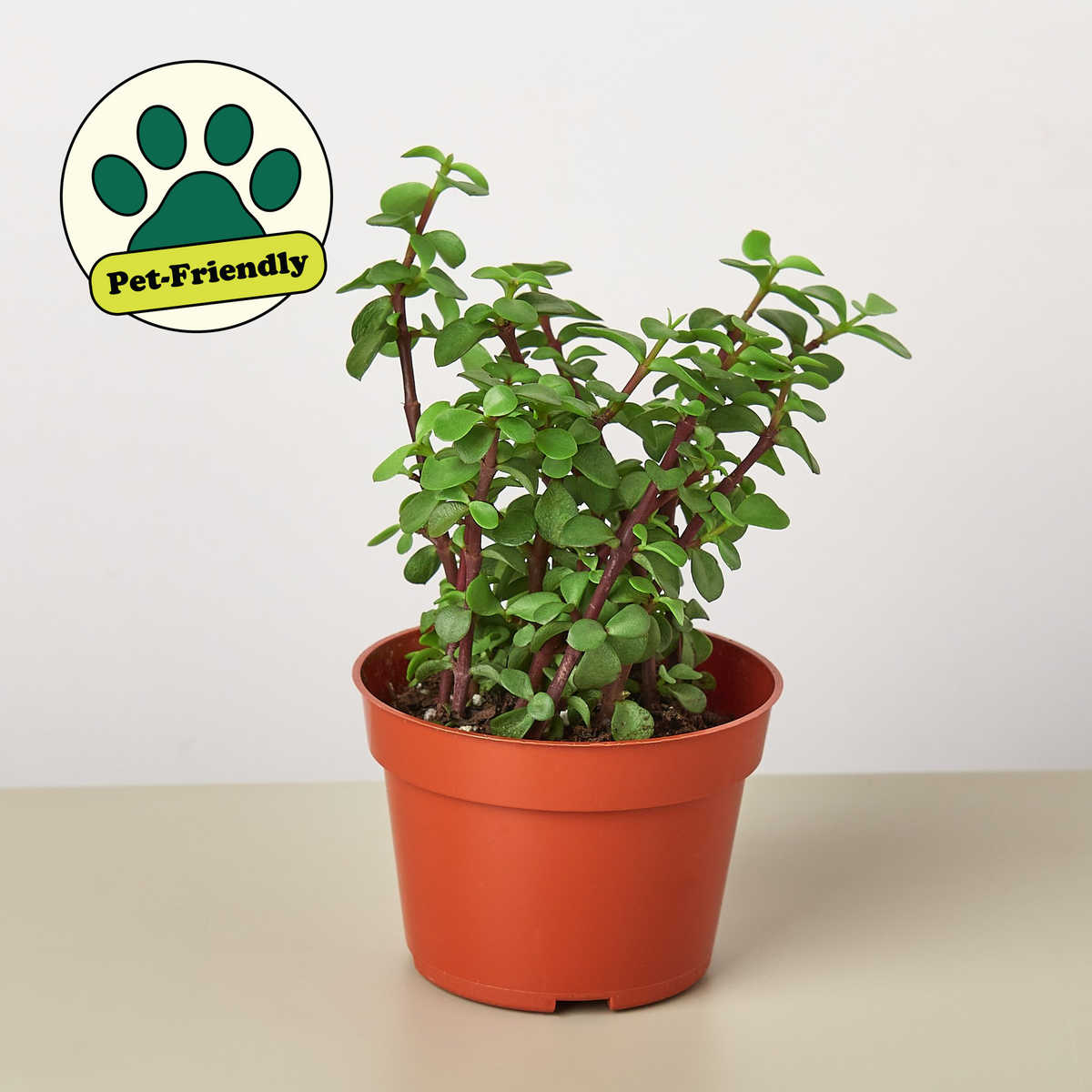
Elephant Bush (Portulacaria afra)
Elephant Bush (Portulacaria afra)
Regular price
$21.99 USD
Regular price
$20.99 USD
Sale price
$21.99 USD
Shipping calculated at checkout.
Quantity
Couldn't load pickup availability
Anchor your arid or semi-arid bioactive vivarium with Portulacaria afra (Elephant Bush). Native to the dry thickets of South Africa, this drought-hardy succulent features dense reddish-brown stems lined with clusters of plump, round jade-green leaves. Frequently used as a naturalistic desert centerpiece, its woody, shrub-like growth habit provides genuine structural utility—offering basking perches, natural shade, and climbing pathways that withstand active reptiles.
Bioactive & Husbandry Benefits
- Heavy-Duty Climbing Architecture: Unlike soft, fragile succulents that break under physical activity, Elephant Bush develops thick, semi-woody stems that readily support the climbing and perching weight of small-to-medium arid lizards without collapsing.
- 100% Non-Toxic & Edible: Completely safe and free from caustic saps, spine hazards, or irritating oxalates. Because it is naturally edible and nutrient-dense, it is one of the few arid plants safe to keep with curious omnivores and herbivores (such as bearded dragons, uromastyx, and tortoises) that may take an occasional bite.
- Thermal Micro-Shade & Sightline Breaks: Dense, shrubby branching casts natural shadows along the enclosure floor, creating cooler, shaded microclimates where ground-dwelling animals can thermoregulate and escape bright basking lights.
- Drought Resilience: Highly adapted to deep dry-back cycles and free-draining sandy/gritty substrates, making it exceptionally low-maintenance in arid bioactive builds.
- Arid Clean-Up Crew Friendly: Deep, fibrous root systems anchor the substrate and support beneficial arid microfauna (Porcellio scaber, Armadillidium, and desert beetles) around the lower root zone.
Habitat Specifications
- Light Requirements: Moderate to high-intensity vivarium lighting (thrives under high-output full-spectrum LEDs and basking spill; keep away from damp, perpetually shaded corners).
- Humidity Range: 30% – 50% (tailored for arid, semi-arid, and Mediterranean setups with active ventilation).
- Substrate & Moisture: Requires a gritty, free-draining arid substrate mix (such as topsoil, play sand, and excavated clay/pumice). Allow the soil to dry out completely between deep waterings; avoid standing water around the crown.
- Enclosure Placement: Midground to background ground-planter; excellent positioned beside rock piles, slate basking spots, or near driftwood branches.
- Ideal Inhabitants: Leopard geckos, African fat-tailed geckos, juvenile bearded dragons, uromastyx, sand boas, rosy boas, and arid invertebrates (Blue Death Feigning Beetles, desert hairy scorpions).
- Structural Durability: High; easily one of the most physically durable succulents available for reptile vivariums.
Bioactive Prep Tip: Gently bare-root the plant to remove all commercial nursery soil, thoroughly rinse the stems and roots in clean, dechlorinated water, and allow to air-dry slightly before planting directly into your arid bioactive setup.