We proudly support USARK because ethical husbandry and keeper advocacy go hand in hand. USARK protects the herpetoculture community and our cold-blooded family members through science-based legislation, education, and proactive defense of responsible animal care.
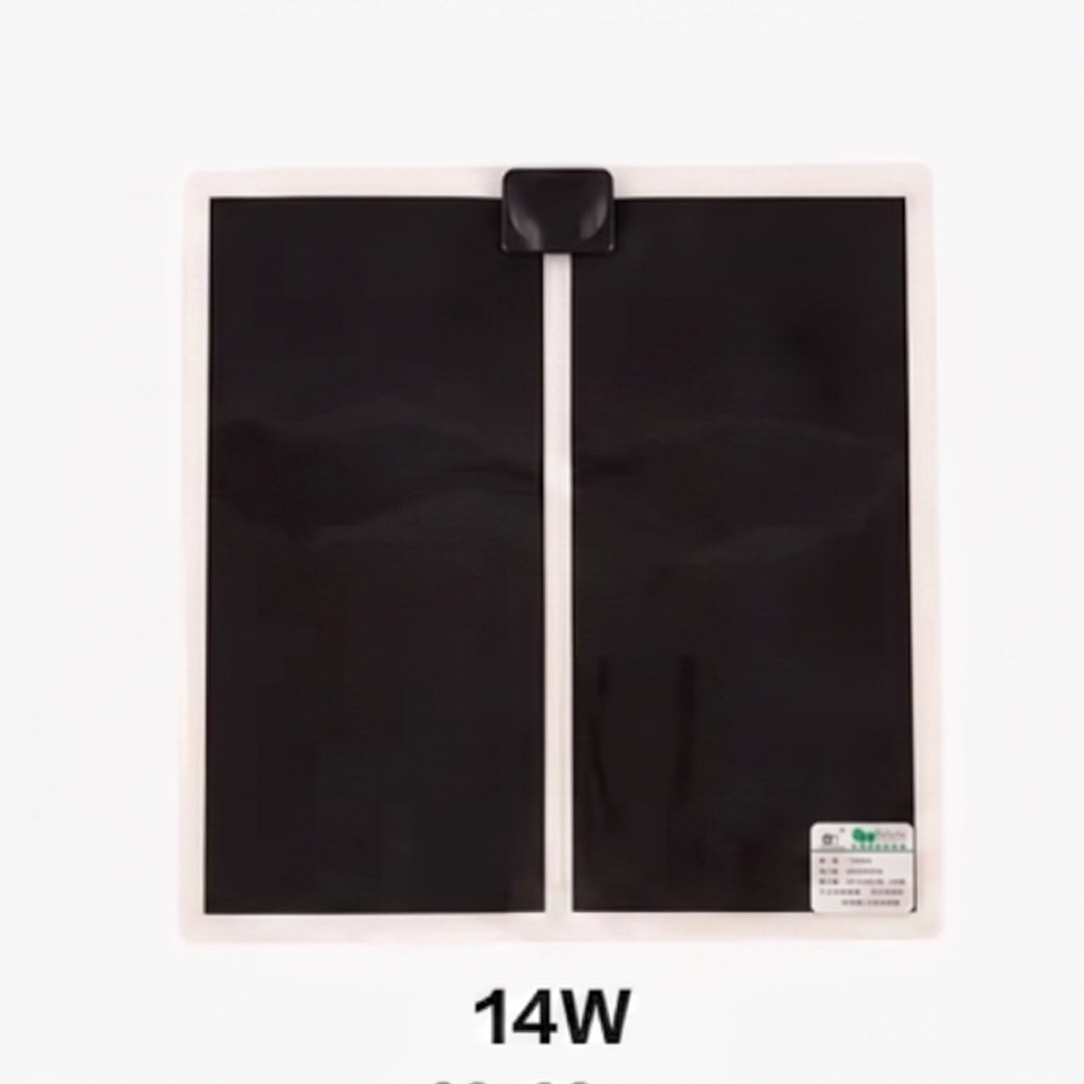
Ultra-Thin Reptile Heating Mat
Ultra-Thin Reptile Heating Mat
Regular price
$12.00 USD
Regular price
Sale price
$12.00 USD
Shipping calculated at checkout.
Quantity
Couldn't load pickup availability
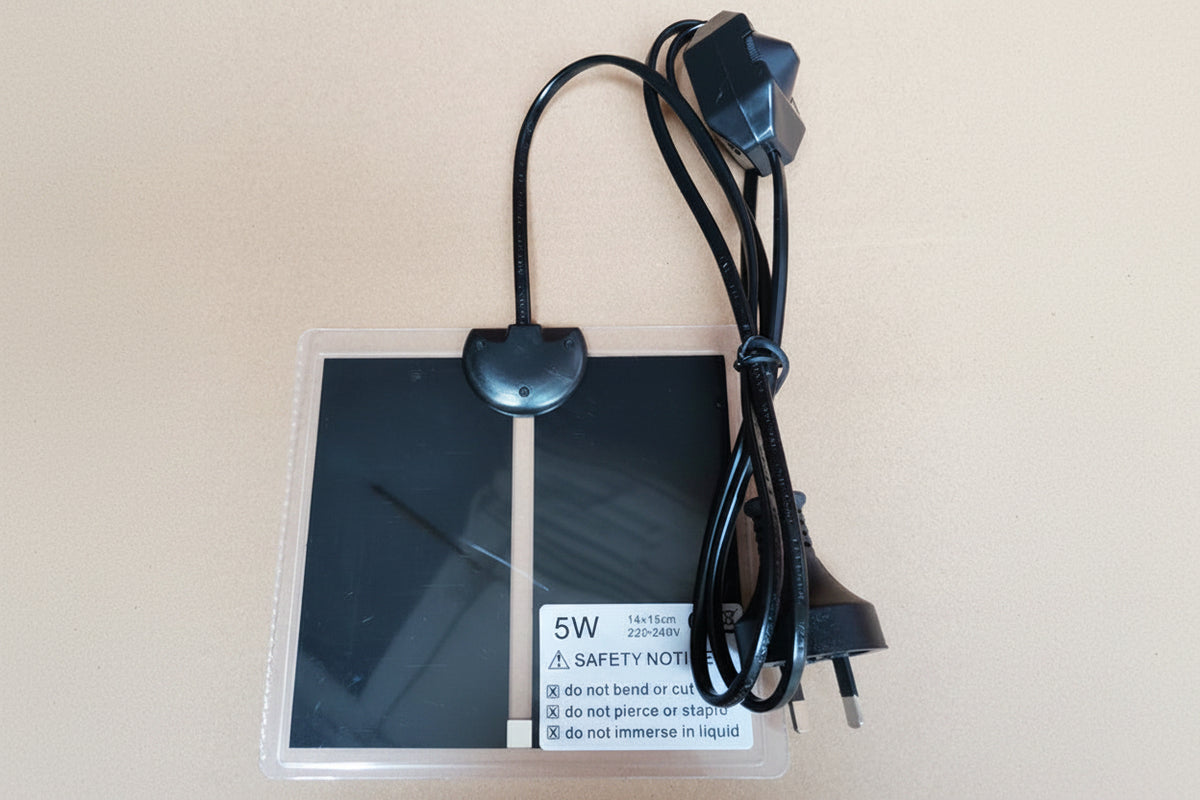
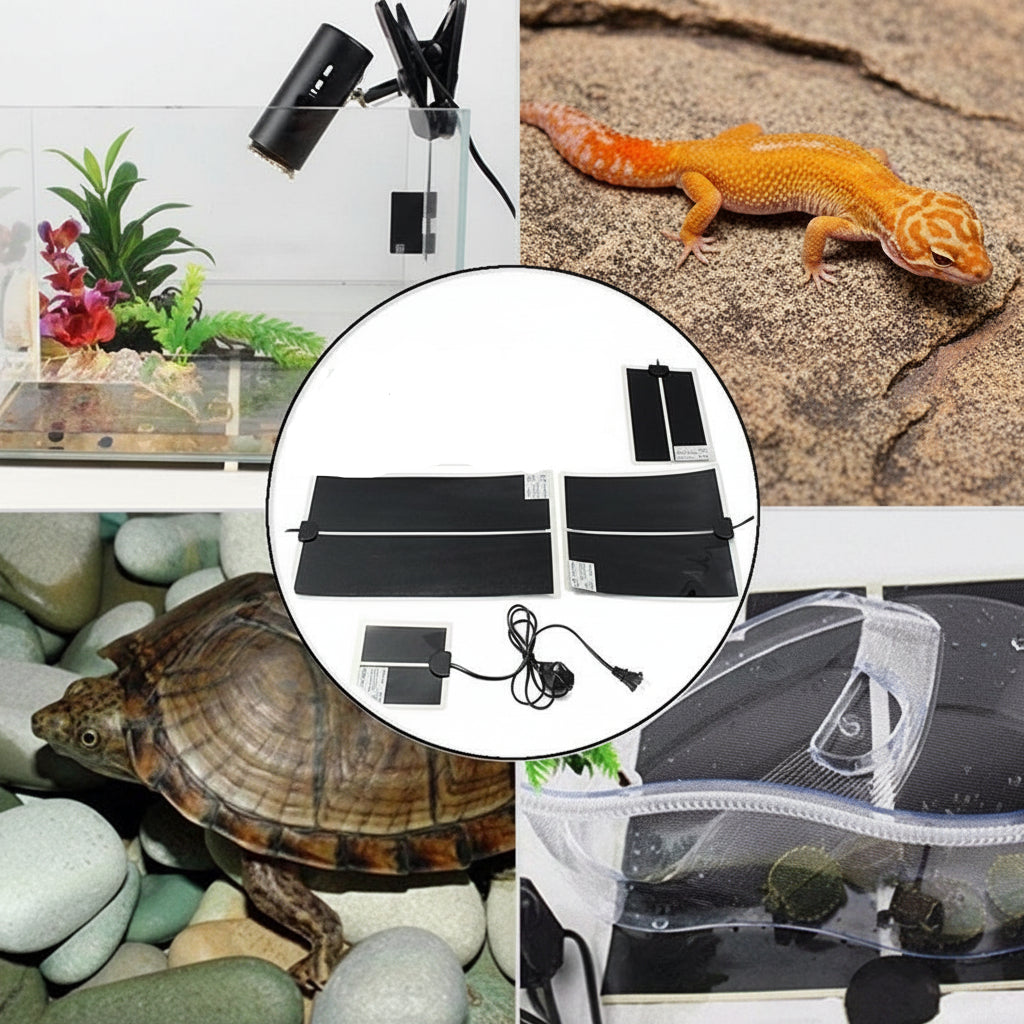
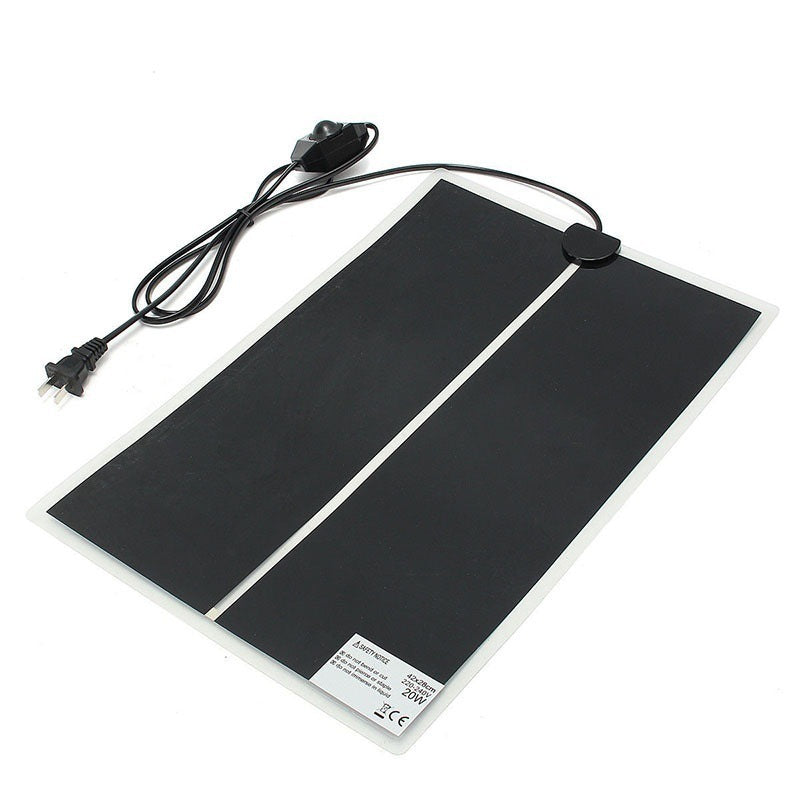
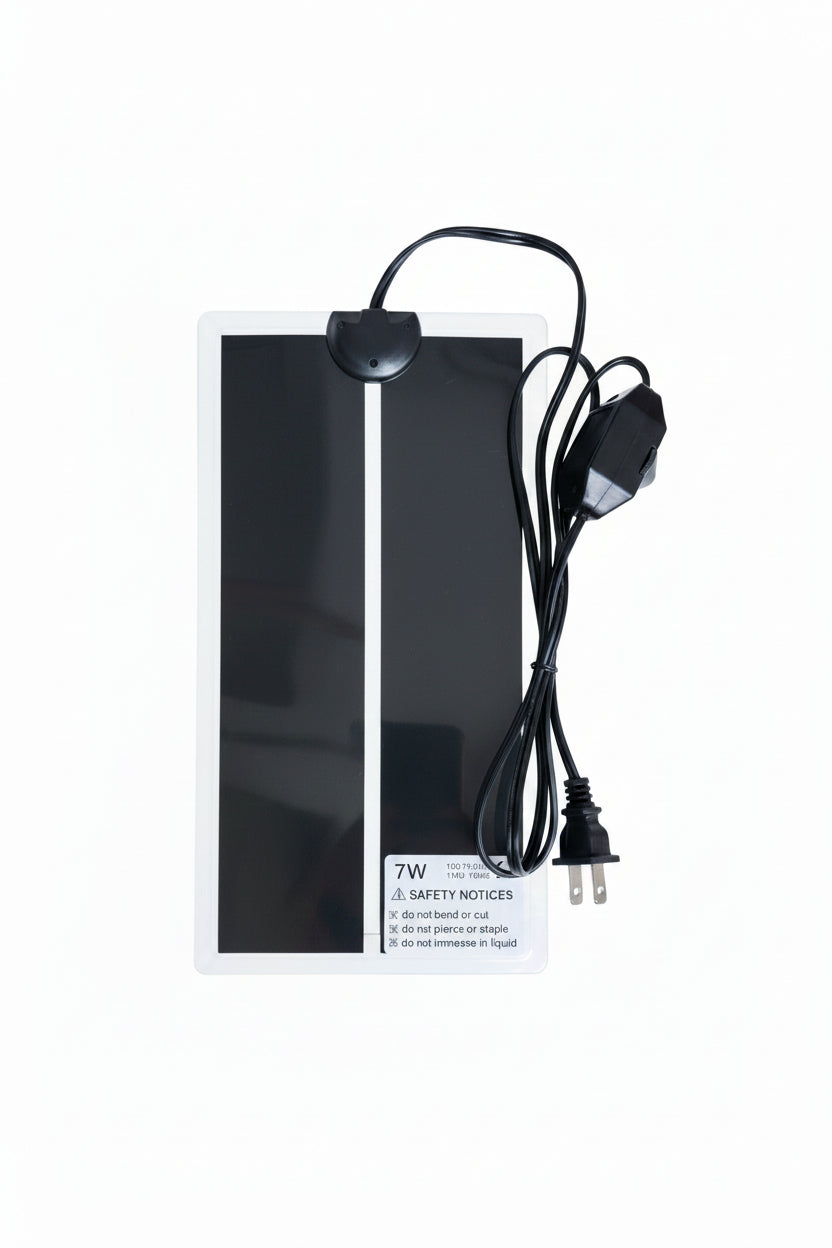
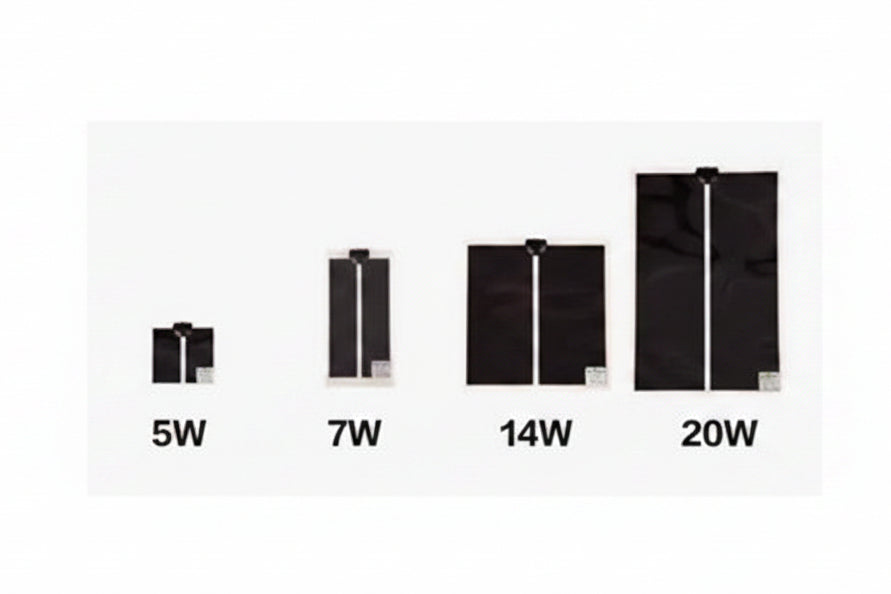
Provide your terrestrial reptiles with the essential belly heat they need for optimal digestion and metabolic health. This ultra-thin, highly efficient carbon-film heating mat delivers consistent, low-wattage infrared warmth. Perfect for creating a precise thermal footprint underneath or on the side of your habitat without drying out the ambient air.
Key Features
- Targeted Belly Heat: Mimics naturally sun-warmed surfaces to support digestive tract health in nocturnal and crepuscular species.
- Ultra-Thin Carbon Film: Space-saving, flexible construction provides incredibly even heat distribution across the entire surface of the mat, completely eliminating dangerous hot spots.
- Safe & Low-Energy Draw: Built with premium insulated components designed for safe, continuous, cost-effective 24/7 operation.
Safety & Usage Notes
⚠️ Rachel's Resource Tip:
- Thermostat Required: To safeguard your reptile against thermal burns, always plug your heating mat into a reliable digital thermostat probe to control output.
- External Mount Only: Never place this style of heating mat inside the enclosure where substrate or moisture can contact it directly.
- Airflow is Crucial: If placing under a glass tank, elevate the enclosure slightly using rubber feet or spacers to ensure adequate airflow and prevent heat trapping.
How to Adhere the Mat to the Bottom of an Enclosure
Because these flexible carbon-film mats typically do not come with a pre-applied adhesive backing, you have to use a method that allows secure contact while managing heat safely. Here are the best industry approaches:
Method 1: High-Temperature Aluminum Foil Tape (Best for Glass Enclosures)
This is the standard herpetocultural method. It holds beautifully under constant thermal stress and reflects heat back upward into the habitat.
- How to do it: Position the mat flat against the outside bottom of the glass. Run strips of heavy-duty HVAC aluminum foil tape completely along all four outer edges of the mat, securing it tightly to the glass frame.
- Pro Tip: Do not tape over the power cord connection block itself—leave that visible for inspection.
Method 2: Electrical Tape Matrix (Best for Temporary/Quarantine Setups)
If you are setting up breeding tubs, rack systems, or quarantine enclosures where you might need to swap the mat out later, high-grade electrical tape works well.
- How to do it: Smooth out the mat against the bottom of the tub or glass, and use high-temperature rated black electrical tape around the perimeter.
- Note: Avoid cheap clear packing tape, as the adhesive dries out, becomes brittle, and fails quickly under heat.
Method 3: Substrate Foil Sandwich (For PVC or Wooden Enclosures)
Crucial Safety Reminder: Wood and thick PVC are highly effective thermal insulators. If you stick a heat mat to the outside bottom of a PVC or wood cage, the heat cannot penetrate the thick floor, causing the mat to overheat and fail.
- The Solution: If you must use a heat mat on these setups, it needs to be installed inside a recessed groove or laid flat, covered completely by a custom-cut pane of thin glass or water-resistant tile, sealed tightly around the edges with 100% aquarium-safe silicone so the animal cannot touch it or get trapped underneath. However, for thick wood or PVC habitats, switching to overhead radiant heat sources (like deep heat projectors or your ceramic heat emitters) is generally much safer and more effective.